What we did
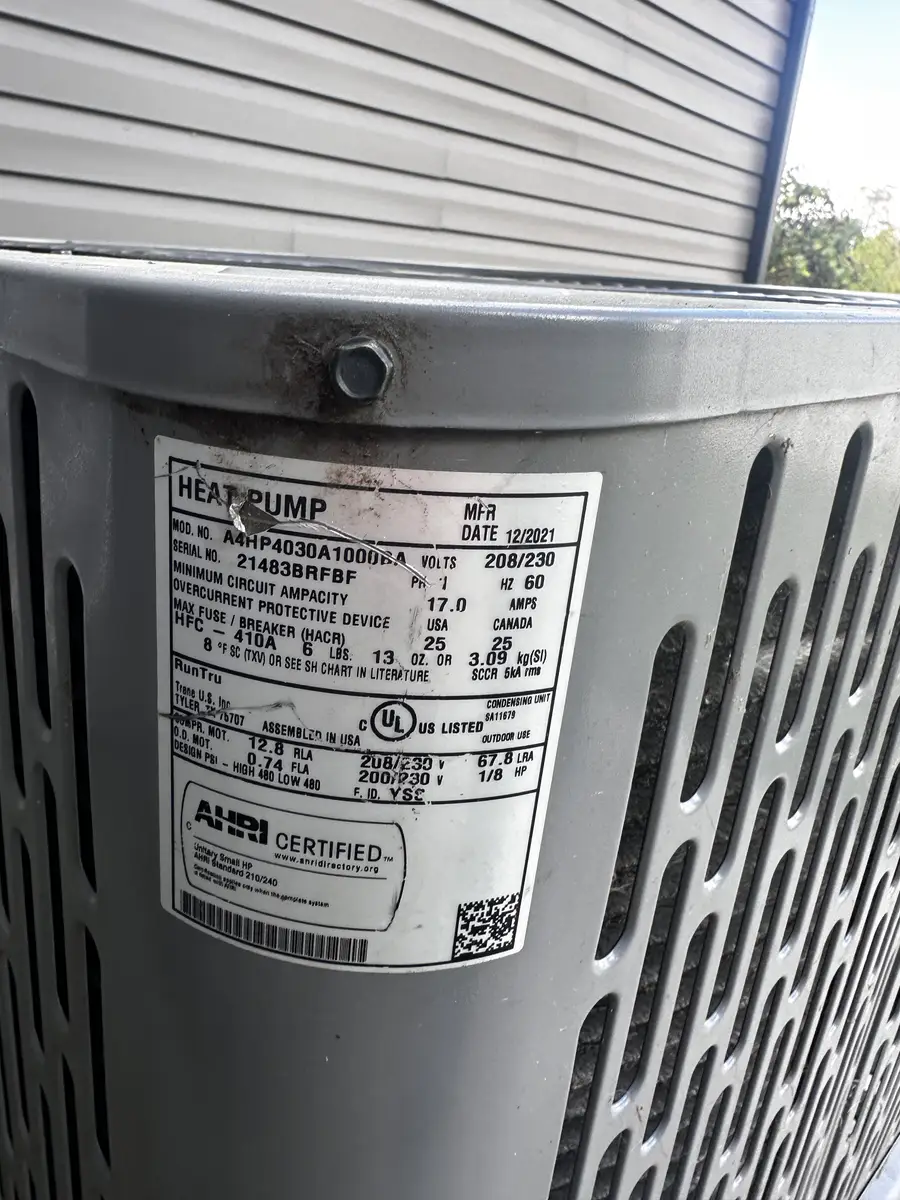
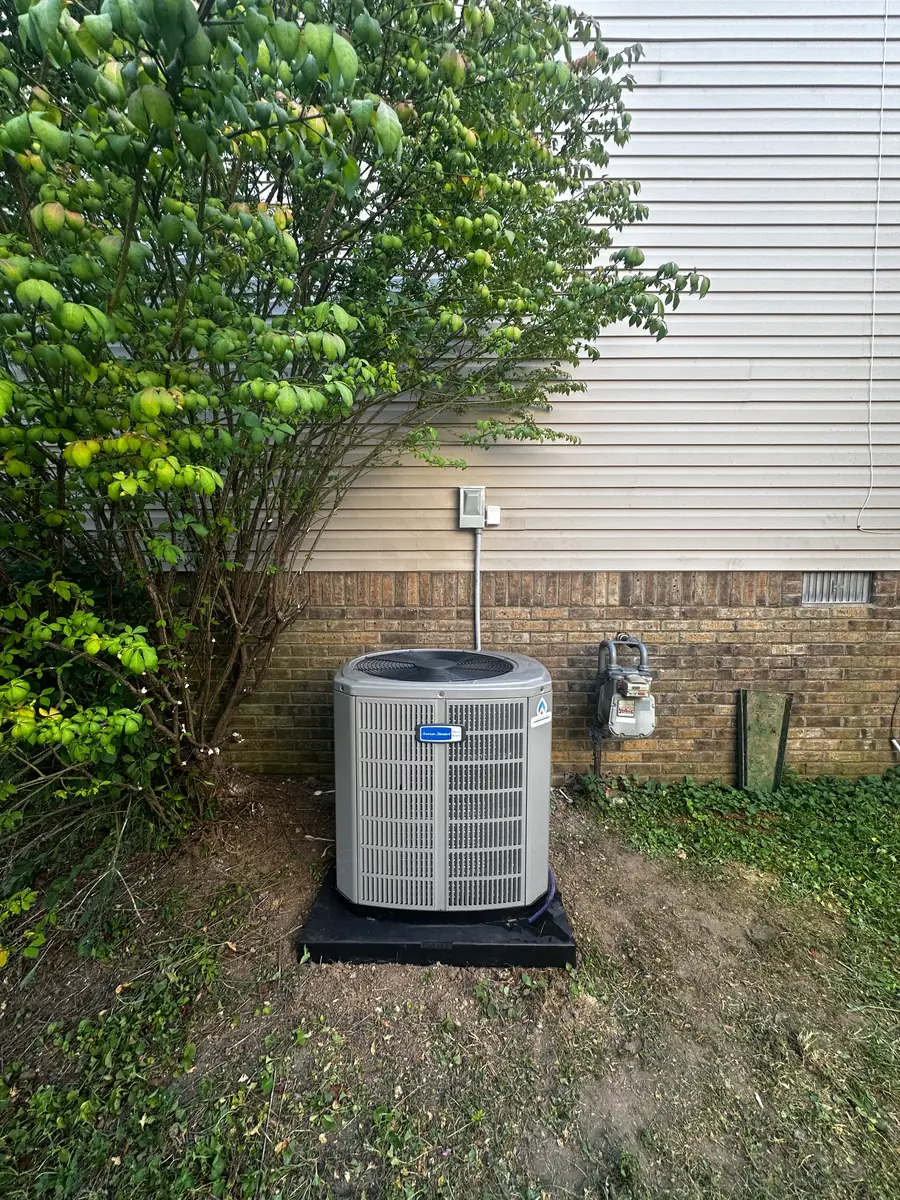
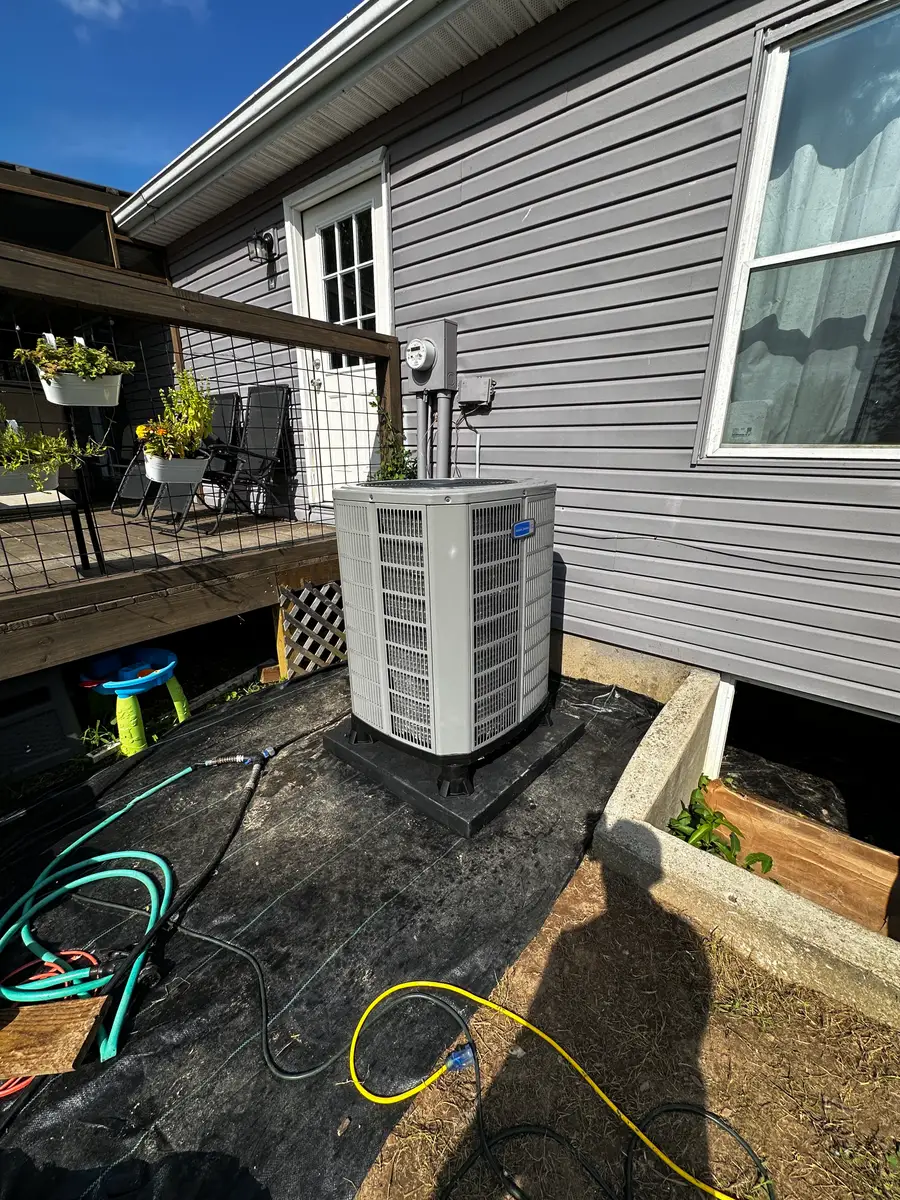
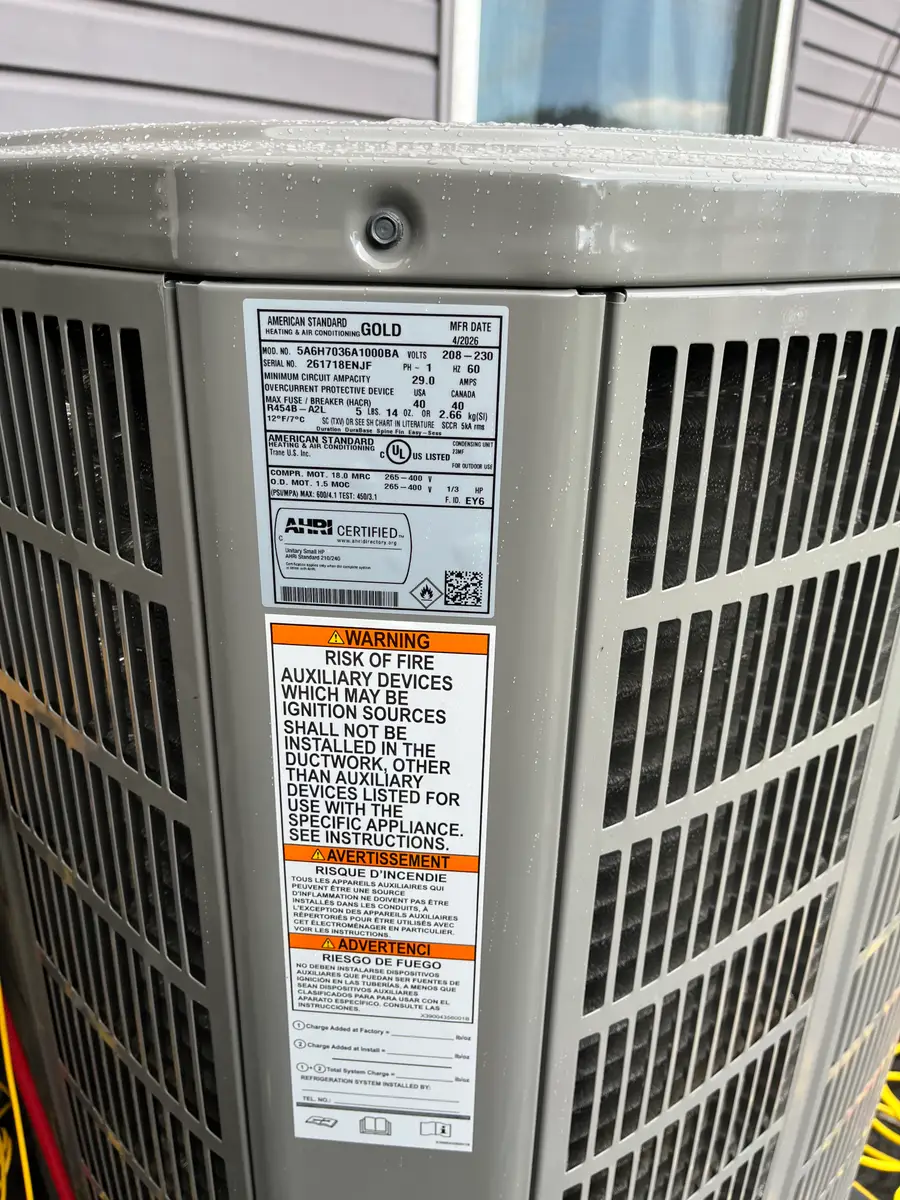
This Lancaster home needed a heat pump replacement, and the job went well beyond swapping out equipment. To get the new system working the way it should, we also spent time on the duct connections and wiring that feed it. A heat pump can only deliver what the ductwork and controls let it deliver, so those pieces got the same attention as the unit itself.
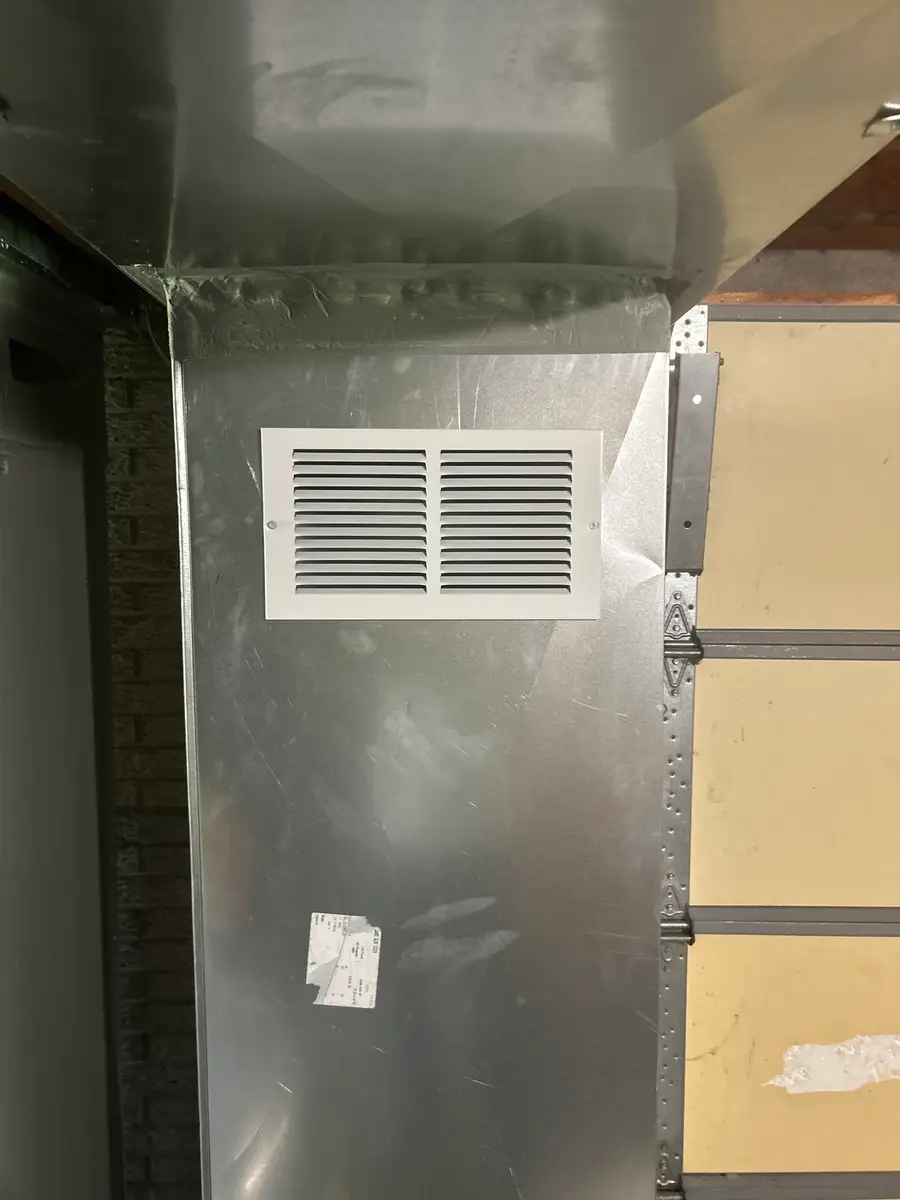
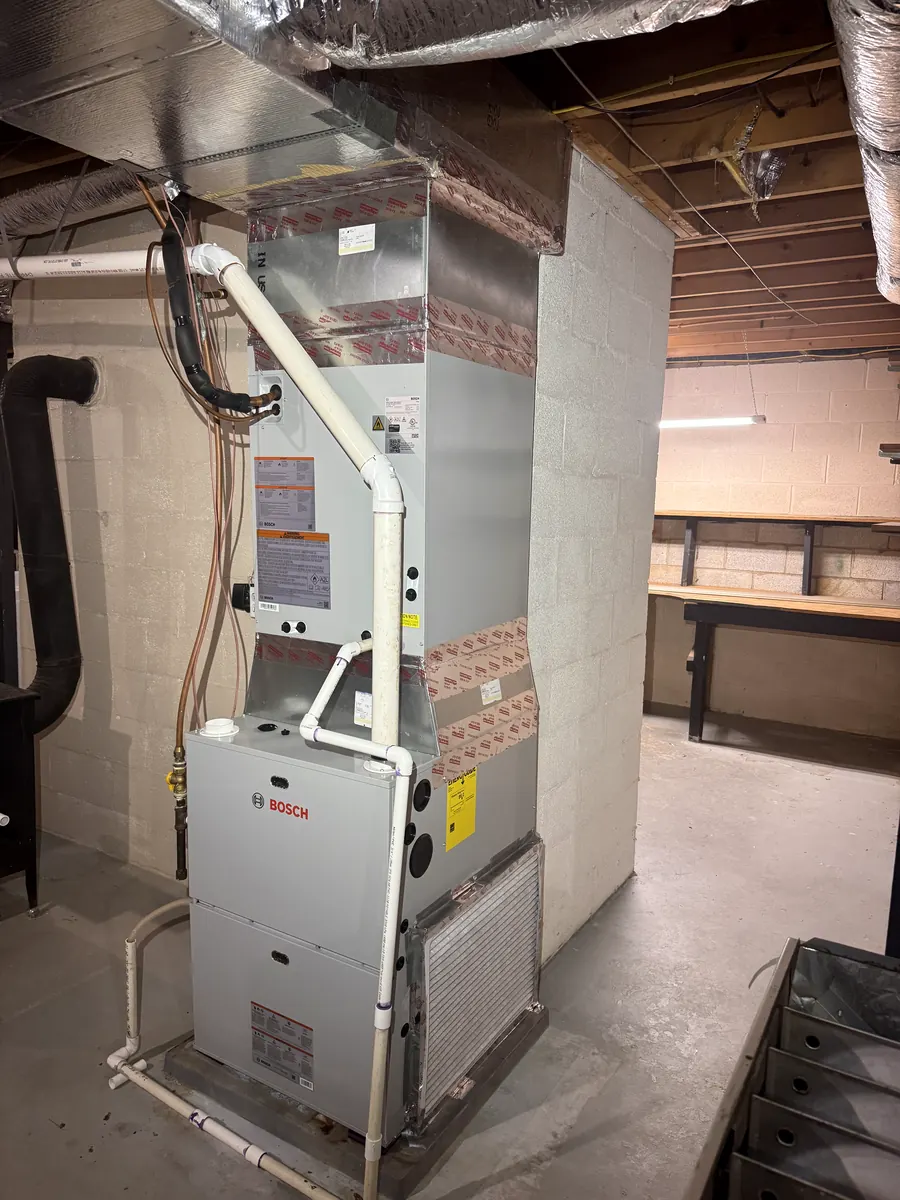
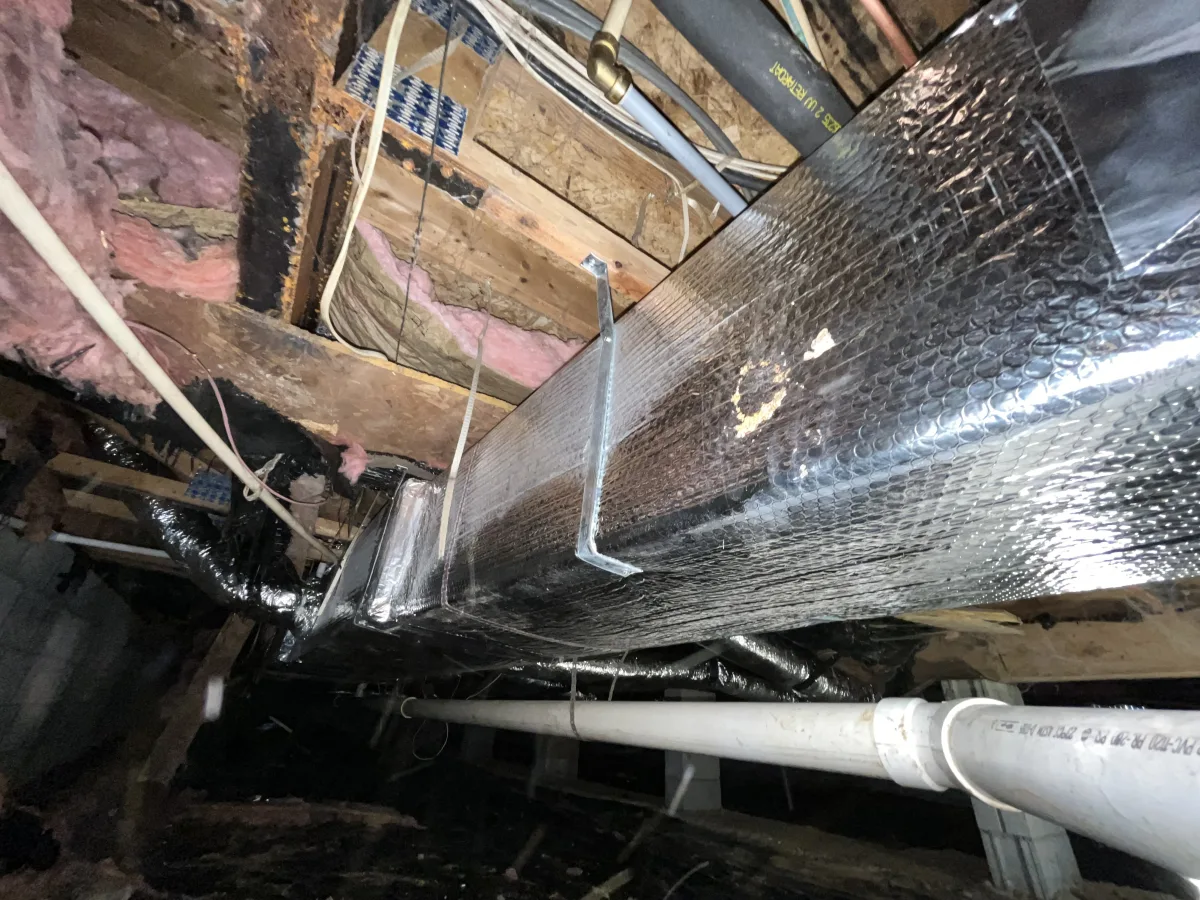
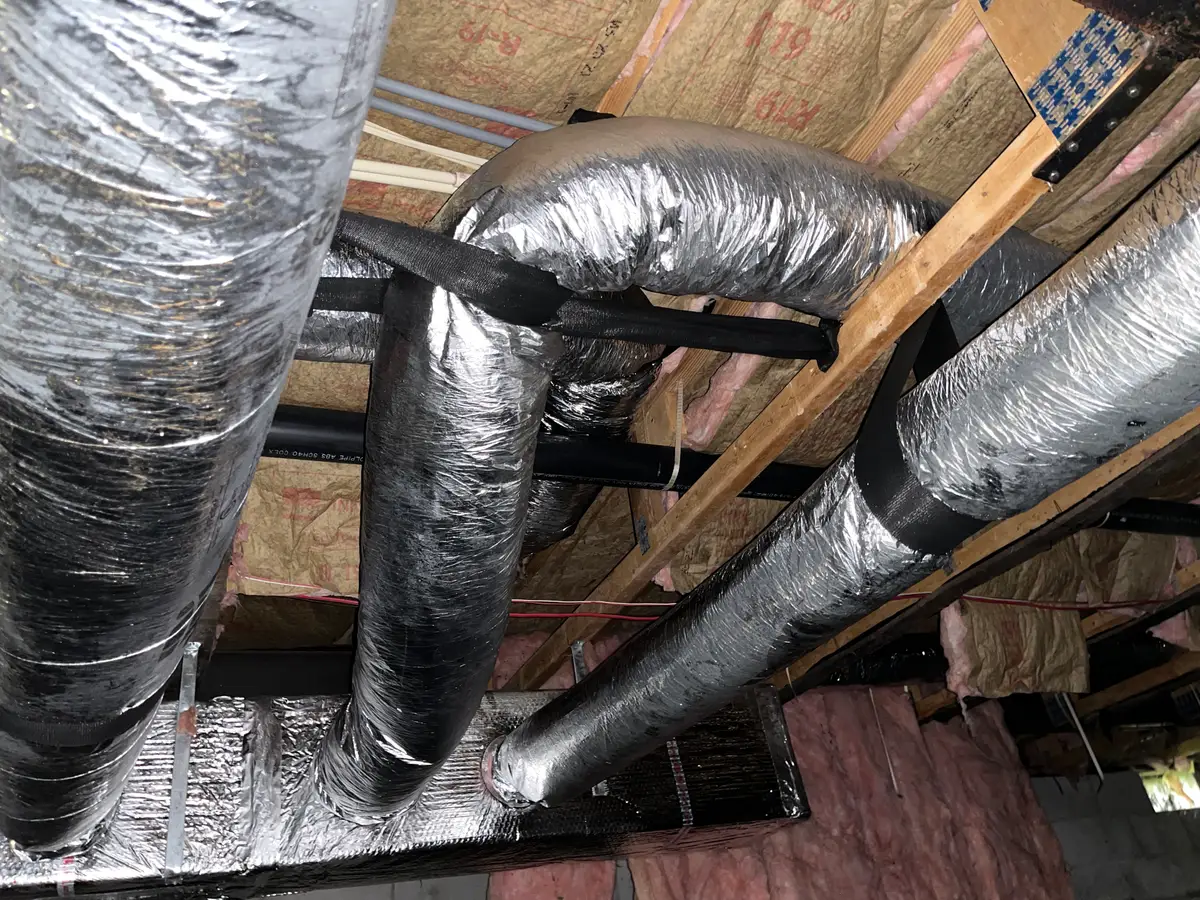
We replaced two boots and connected them securely, then taped and sealed the trunk. We installed a return plenum with a filter rack, and added a 4-inch vent along with a boot, flex duct, and takeoff. We hung unfinished flex, pulled new thermostat wire for the new thermostat, finished the low-voltage wiring, and sealed the exterior penetrations. Once everything was connected, we ran a full startup and commissioning to confirm the system operated correctly.
In central Kentucky, a heat pump handles both humid summers and cold winter mornings, so leaks at the boots or trunk mean paying to heat and cool spaces nobody uses. Sealed connections, a proper place for the filter, and clean low-voltage wiring give the new equipment a fair chance to do its job year round.